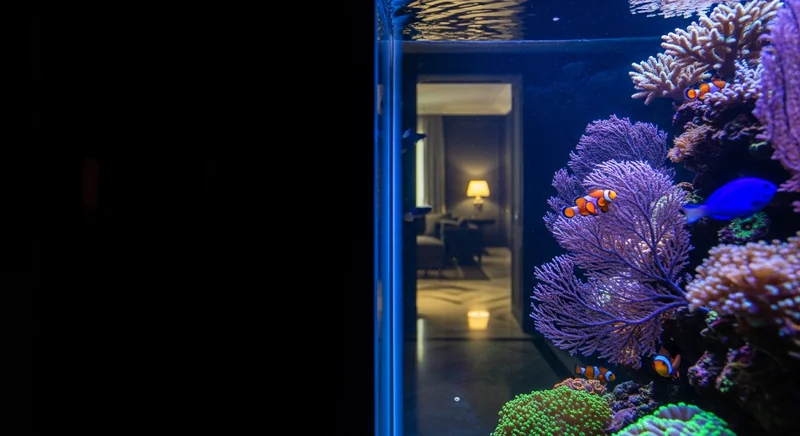
The appeal of a shark fish tank is easy to understand. Sharks carry a presence that no other aquatic species quite replicates: the deliberate movement, the streamlined form, the quiet authority of a creature perfectly adapted to its environment.
For anyone designing a high-end residence, a hotel lobby, or a statement commercial interior, a shark aquarium represents one of the most powerful and memorable investments available in the world of unique aquarium design.
The question is not simply whether it is possible, because in many cases it genuinely is. The more important question is:
- how to approach it correctly
- which species are genuinely suitable
- what the tank and infrastructure require
- what the ongoing management of such an installation involves.
This guide covers all of those dimensions in detail. It is written for people who are serious about the idea, want accurate and practical information, and prefer to understand the full picture before committing to a project of this scale.
Sharks for Fish Tanks: Which Species Are Suitable?
Bamboo Shark (Chiloscyllium spp.)

The bamboo shark is one of the most popular choices for a private shark aquarium, and for good reason.
It stays manageable in size, reaching around 90 to 105 centimetres depending on the subspecies, and it can rest motionless on the substrate without any risk to its health, which makes life considerably simpler from a tank design perspective.
Docile and generally unfussy once conditions are stable, bamboo sharks need a minimum of around 1,500 litres to thrive comfortably as adults.
Epaulette Shark (Hemiscyllium ocellatum)

The epaulette shark is a firm favourite among aquarium designers, and once you see one in action it is easy to understand why.
Native to the reef flats of northern Australia, it is a hardy and characterful species with one remarkable trait: it can use its pectoral fins to walk across the substrate, which makes it endlessly engaging to observe.
It reaches around 107 centimetres at maturity and needs a minimum tank volume of approximately 1,500 to 2,000 litres.
Coral Catshark (Atelomycterus marmoratus)

If a slightly smaller species appeals, the coral catshark is worth considering.
It reaches around 70 centimetres at maturity, making it one of the more compact true sharks available, and its patterned colouring looks particularly striking against a well-designed aquascape.
It is nocturnal by nature, so it tends to come alive in the evening hours, and it appreciates sheltered rock formations to retreat into during the day.
Horn Shark (Heterodontus francisci)

The horn shark brings something different to the table: a preference for cooler water temperatures, between 15 and 20 degrees Celsius, which makes it a good fit for spaces where a temperate ecosystem suits the interior concept.
It grows to around 120 centimetres and rests comfortably on rocky or sandy substrate. The distinctive spines in front of each dorsal fin give it a sculptural quality that looks compelling under the right lighting.
Its tank does require a dedicated chiller rather than a standard heater, which is worth factoring into the infrastructure planning.
Blacktip Reef Shark (Carcharhinus melanopterus): A Note on Scale

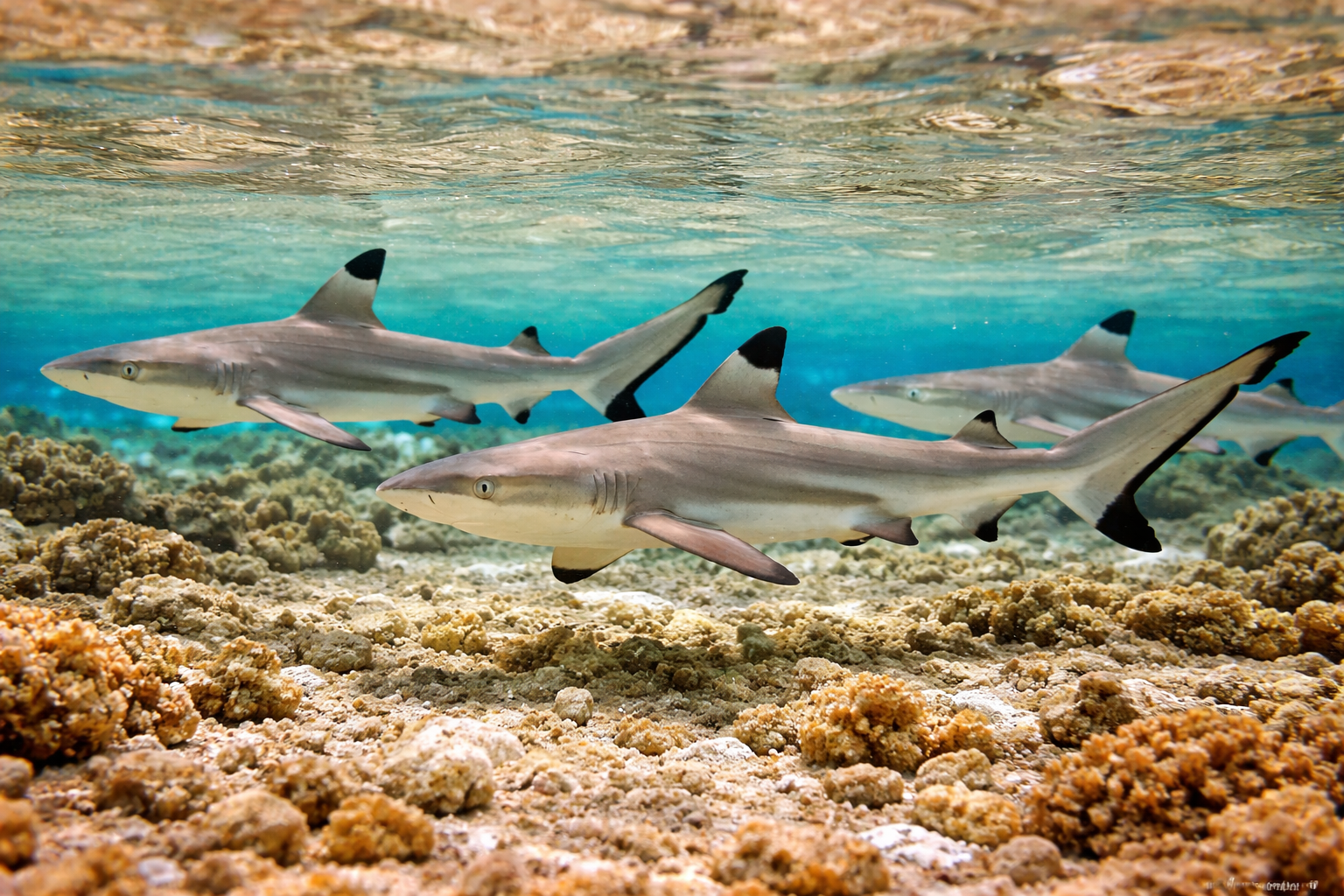
The blacktip reef shark comes up often in conversations about home aquariums, so it is worth addressing directly.
While it is technically the smallest free-swimming shark commonly available to the aquarium trade, it grows to around 180 centimetres and needs continuous space to swim, which translates to a tank footprint of roughly 10 metres in diameter. That places it firmly outside the range of any residential setting.
Where it does become a realistic option is in large-scale commercial projects, such as hotel atriums or high-end hospitality venues, where both the structural capacity and the budget can support an installation of that magnitude.
Shark Aquarium in House: What the Installation Involves
Installing a shark aquarium in a residential setting requires planning that goes beyond a standard home aquarium. Tank size, structural support, life-support systems, and internal layout must all be designed around the biological needs of the species from the outset.
Structural Requirements
The first consideration is structural capacity. Shark aquariums typically involve large water volumes, and even a modest installation can weigh several tonnes once filled. The floor structure must be assessed to ensure it can safely support the load, particularly in upper-floor residential settings. Positioning the tank near load-bearing walls or on ground-floor slabs is often preferred, and in some cases a structural engineer is involved before finalising the layout.
Access for maintenance should also be planned early. Sharks require regular servicing, so discreet service areas, removable panels, or overhead access are typically integrated into the design.
Size and Tank Volume
Unlike decorative aquariums, a shark tank must be sized according to the species first, and the room second. Adequate footprint is essential, especially for bottom-dwelling sharks that need uninterrupted resting and turning space. As a general reference, minimum volumes for a single adult specimen are:
- Bamboo shark: 1,000–1,500 litres
- Epaulette shark: 1,500–2,000 litres
- Coral catshark: 700–1,000 litres
- Horn shark: 1,500 litres minimum, plus a dedicated chilling system
These figures represent minimum thresholds. Larger volumes improve stability, reduce maintenance demands, and create a more balanced visual presence within the space.
Filtration and Life Support
Sharks produce a higher biological load than most aquarium fish, making robust filtration essential. Systems are typically designed for peak capacity and include multiple stages of water treatment. A properly specified setup usually includes:
- High-capacity protein skimmer
- Biological filtration (live rock or ceramic media)
- Mechanical particle filtration
- UV steriliser for pathogen control
- Chiller for temperate species such as the horn shark
Before introducing a shark, the aquarium must complete its nitrogen cycle. This process typically takes six to eight weeks and allows beneficial bacteria to establish stable waste processing. Introducing sharks before this stage is complete is one of the most common causes of early system failure.
Substrate, Rockwork, and Internal Layout
Internal design affects both animal welfare and the visual outcome. Most aquarium sharks are bottom-dwelling species and require a soft, stable resting surface. Sand substrate should typically be at least 5 cm deep to allow natural resting behaviour.
Rockwork should provide sheltered areas while maintaining open swimming space. Sharp edges and tight crevices should be avoided, as sharks can easily graze themselves during movement. The layout should prioritise clear turning space, smooth circulation, and an uncluttered footprint.orks as a habitat and as a design statement at the same time.
Feeding Aquarium Sharks: Diet, Schedule, and Practical Considerations
Aquarium sharks require a controlled, protein-rich diet designed to replicate their natural feeding habits while maintaining stable water quality. Most species kept in private aquariums are benthic sharks, which feed on crustaceans, molluscs, and small marine fish in the wild.
What to Feed Aquarium Sharks
Suitable foods include squid, prawns, mussels, and pieces of fresh marine fish such as mackerel or cod. Offering a varied diet helps prevent nutritional deficiencies and supports long-term health. Many aquarists also add a marine vitamin supplement to food, particularly in captive environments where dietary variety is limited.
Freshwater feeder fish should be avoided. They are nutritionally unsuitable for marine sharks and can lead to deficiencies, including thiamine imbalance, over time. Frozen marine foods thawed before feeding are generally the safest and most practical option.
Feeding Schedule
Most small aquarium sharks feed two to three times per week rather than daily. Their slower metabolism means infrequent but substantial meals are more appropriate than small daily feeding. Juveniles may require slightly more frequent feeding, while adults typically follow a consistent weekly schedule.
Portion control is important. Overfeeding quickly degrades water quality, increasing ammonia and nitrate levels. A good rule is to provide only what the shark will consume within a few minutes.
Practical Feeding Tips
Using feeding tongs or a feeding stick allows food to be presented directly to the shark, reducing waste and preventing other tank inhabitants from taking the food first. This method also helps monitor appetite, which is often one of the earliest indicators of health issues.
Water Quality Parameters for a Shark Aquarium
Maintaining stable water chemistry is one of the most important ongoing commitments of owning a shark aquarium. Sharks are highly sensitive to fluctuations in ammonia, nitrite, and nitrate, and even brief spikes can cause physiological stress and immune suppression. Target parameters for most tropical species are:
- Salinity: 1.020 to 1.025 specific gravity
- Temperature: 22 to 26°C for tropical species; 15 to 22°C for the horn shark
- pH: 8.1 to 8.4
- Ammonia and nitrite: zero
- Nitrate: below 20 ppm
Water changes of 10 to 20 percent of total volume every two weeks are the standard baseline for keeping these parameters stable. Testing should be weekly during the establishment phase and can move to fortnightly once the system is consistently stable.
Small Aquarium Sharks: A Closer Look at Practical Options
For clients who are drawn to the concept of a shark aquarium but are working within a residential or boutique commercial space with more modest dimensions, small aquarium sharks represent the most realistic pathway.
Species in this category, including the brown-banded bamboo shark and the epaulette shark, are genuinely captivating to observe and bring much of the visual drama associated with larger species while remaining manageable within a well-designed custom tank.
The tank required for small aquarium sharks is still considerably larger and more technically complex than a standard reef aquarium, but it falls within the realm of what is achievable for a serious private client. The aquatic environment surrounding the sharks, including the substrate, rock formations, and water chemistry, must be designed with the specific biology of the species in mind.
This is not a project to approach without expert guidance, but with the right team involved, the result can be an installation of extraordinary presence and refinement.
Legal and Regulatory Considerations
The legal landscape for keeping sharks varies significantly by country, region, and species. In many European jurisdictions, the keeping of certain marine species in private captivity is subject to specific regulations governing the welfare, source, and conditions of housing.
Some shark species are listed under the Convention on International Trade in Endangered Species, commonly known as CITES, which governs their international trade and may require permits for purchase, transport, or ownership. Other species may be subject to local wildlife protection regulations that differ from national frameworks.
Because the regulatory picture is complex and subject to change, the most reliable approach is always to verify the requirements specific to the client’s location and the intended species before any purchase or installation is committed to.
A reputable aquarium design and installation company will address this as part of the project planning process, ensuring full compliance with applicable regulations from the outset.
The Role of Ongoing Maintenance in a Shark Aquarium
A shark aquarium requires more consistent maintenance than most other aquarium types. Sharks produce a higher biological load, and even small fluctuations in water quality can quickly affect their health. For this reason, regular professional maintenance is typically considered essential rather than optional.
What Regular Maintenance Includes
A structured maintenance programme focuses on keeping water chemistry stable and equipment operating reliably. Routine visits typically include:
- Water testing and parameter adjustment
- Partial water changes
- Cleaning of glass and substrate
- Inspection of pumps, skimmers, and filtration systems
- Checking temperature and salinity stability
- Monitoring shark behaviour and health
Because shark systems are usually large and heavily filtered, maintenance also involves checking redundancy systems and ensuring circulation remains consistent across the tank.
Maintenance Frequency
Most shark aquariums require weekly or bi-weekly servicing, depending on tank size, species, and filtration capacity. Larger installations with higher stocking levels may require more frequent checks, particularly during the early months while the system stabilises.
Between visits, daily involvement from the owner is minimal. Feeding schedules are simple, and automated systems often handle evaporation top-off, temperature control, and circulation.
Why Professional Maintenance Matters
Consistent maintenance keeps ammonia and nitrate levels under control, prevents equipment failures, and ensures the shark remains healthy. It also preserves visual clarity, which is particularly important in a large feature aquarium.
Frequently Asked Questions
How Much Is a Shark and What Does the Full Project Cost?
The tank is typically the most significant element of the budget. A shark aquarium requires a substantially larger volume than a standard tropical or reef installation, often several thousand litres depending on the species, and it must be designed and engineered specifically around the biological needs of the animal it will house.
On top of that, the filtration and water quality management systems need to be built to handle the biological load that predatory fish produce, which is considerably higher than that of most reef fish.
Beyond the tank and its infrastructure, the lighting design, cabinetry, and any structural reinforcement required in the installation area all contribute to the overall investment. Because no two projects are the same, the most accurate way to understand the cost is through a direct consultation, where the full scope can be evaluated against the specific space, species, and design goals involved.
Can you have a pet shark at home?
Yes, it is possible to keep certain shark species in a private aquarium. Suitable candidates include bamboo sharks, epaulette sharks, coral catsharks, and horn sharks, all of which are benthic species that adapt to captivity when their biological requirements are correctly met.
Large pelagic species are not suitable under any circumstances for a residential or boutique commercial setting. Whether a specific species is viable for a given space depends on the tank volume and footprint available, as well as the regulatory framework of the country in which the installation will be located.
A consultation with a specialist team is always the appropriate starting point.
How much does a shark fish tank cost?
The cost of a shark fish tank installation encompasses the tank itself, the life support and filtration infrastructure, the structural preparation of the installation area, the internal aquascape design, the cabinetry and finishing materials, and the ongoing managed maintenance service. Because every project is defined by the specific space, species, and design intent of the client, there is no single figure that applies across all cases.
The most accurate and meaningful cost assessment is always the product of a direct consultation, where the full scope of the project can be evaluated against the specific conditions of the environment and the client’s goals.
Check out our creations to learn more about prices.
What is the difference between a benthic shark and a pelagic shark?
Benthic sharks are bottom-dwelling species that spend most of their time resting on or near the substrate and breathe by actively pumping water across their gills, which means they do not need to swim continuously to survive.
Pelagic sharks are open-water swimmers that rely on forward movement to force water through their gills, a process called ram ventilation, and cannot safely stop. For aquarium purposes, this distinction is decisive.
Benthic sharks can be kept in a sufficiently large but structurally conventional aquarium, while pelagic sharks require the kind of continuous circular water flow and enormous volume that only large institutional facilities can provide.
How long does it take to set up a shark aquarium?
The timeline for a bespoke shark aquarium installation varies depending on the complexity of the project, the structural preparation required in the installation space, and the maturation time needed for the aquatic system before the shark can be introduced.
The system itself typically requires six to eight weeks of biological cycling before it is ready to support a shark safely.
The full project timeline, from initial consultation through to the introduction of the first animal, is discussed in detail during the planning phase so that all parties can schedule accordingly.
Are there sharks suitable for a commercial installation such as a hotel or restaurant?
Yes. Commercial environments with the structural capacity and spatial footprint required can support a wider range of shark species than most residential settings, including active free-swimming species such as the blacktip reef shark in appropriately scaled oval or circular tank configurations.
The visual impact of a shark aquarium in a hotel lobby, restaurant, or high-end entertainment venue is significant, and the managed maintenance infrastructure that accompanies a commercial installation ensures that the aquarium remains in pristine condition throughout its operational life.
Do sharks in a fish tank need companions or tank mates?
Most benthic aquarium sharks are solitary by nature and do not require the company of other sharks to remain healthy. In a sufficiently large installation, some species can coexist, but this requires careful species matching and adequate tank volume to prevent territorial conflict.
If other fish are included alongside a shark, species selection is important: smaller or brightly coloured fish that may trigger predatory responses should be avoided, while larger, slower-moving species with compatible temperature and salinity requirements can often coexist without issue.
A specialist will advise on compatibility as part of the ecosystem design process.
A Shark Aquarium Is More Achievable Than You Might Think
A shark fish tank is not an impulse purchase or a weekend project. It is a considered investment in a living installation that, when designed and managed correctly, becomes one of the most distinctive and enduring features of any luxury interior or commercial space.
The species exist, the engineering solutions are well established, and the managed service model means that the ongoing responsibility does not fall on the owner.
What makes the difference between an installation that thrives and one that does not is the quality of the expertise brought to it from the very beginning.
Cavenza designs and installs bespoke luxury aquariums tailored to the specific dimensions, aesthetic requirements, and biological goals of each project. If a shark aquarium is something you are genuinely considering, an initial consultation is the right place to begin.